

It is one of the most searched questions in wine. And it deserves an honest answer — not a marketing pitch.
So let us be straight: organic wine will not cancel out a big night. Wine is alcohol, and alcohol is alcohol, regardless of how the grapes were grown. But does organic wine offer genuine benefits compared to conventional wine? Yes — and here is the evidence.
WHAT IS ACTUALLY IN CONVENTIONAL WINE?
Conventional winemaking allows the use of over 60 different approved additives. These include commercial yeasts, tartaric acid, fining agents, flavour enhancers, and — most significantly — sulphur dioxide (sulphites) as a preservative.
Additionally, conventionally farmed grapes are grown with synthetic pesticides and herbicides. Residues of these chemicals can sometimes persist into the final wine. A 2019 study found pesticide residues in a significant proportion of conventional wines tested.
WHAT IS IN ORGANIC WINE?
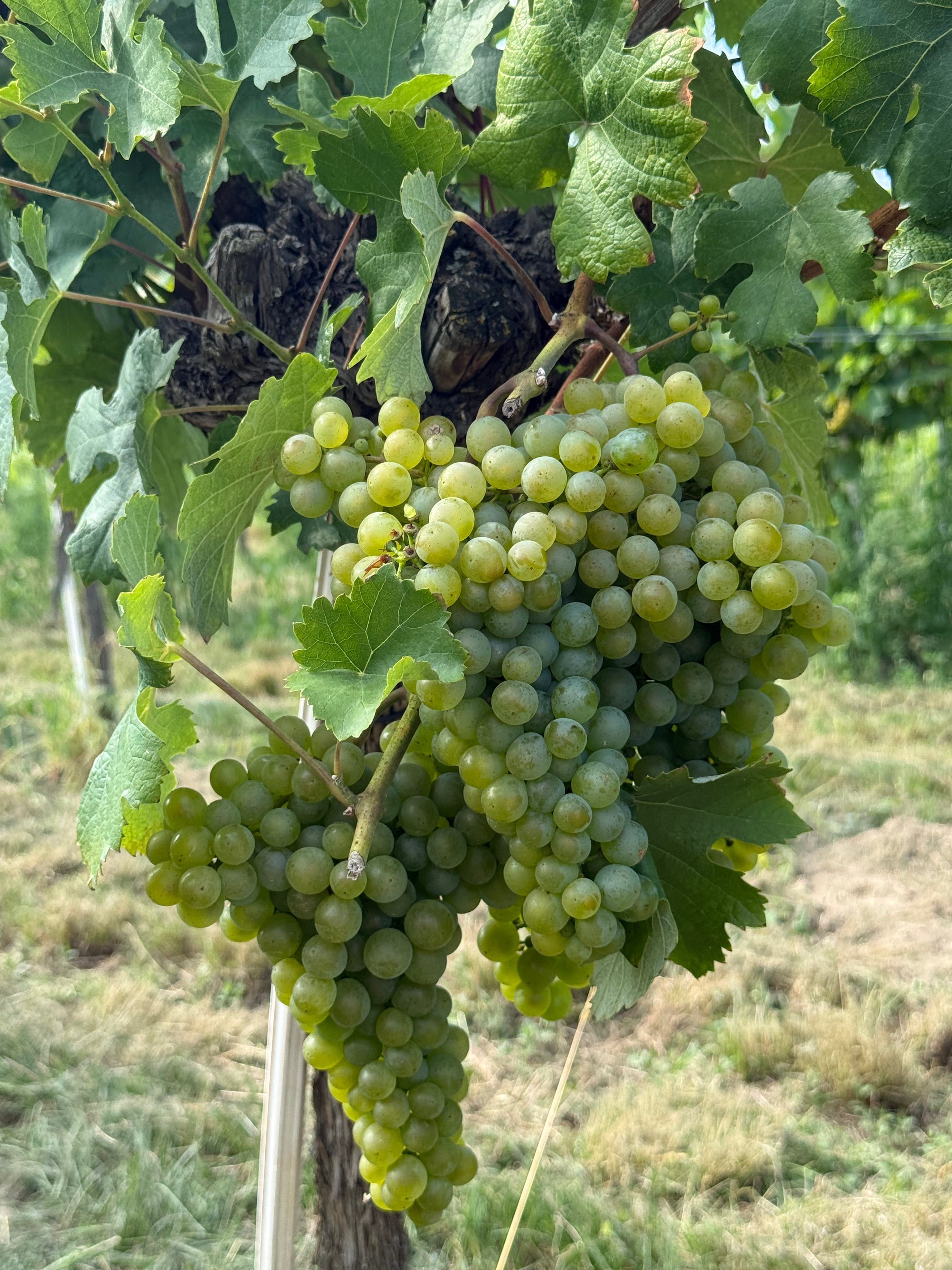
Certified organic wine starts with grapes grown without synthetic chemicals. The organic certification governs the vineyard — no synthetic pesticides, herbicides, or artificial fertilisers.
In the winery, organic wine is typically made with fewer additives. EU regulations for certified organic wine set limits on sulphite additions — lower than those permitted for conventional wine.
All Loco Wines are certified organic and vegan friendly, made without artificial additives and with minimal intervention in the winery.
DOES ORGANIC WINE GIVE YOU FEWER HANGOVERS?
This is the claim you hear most often. The evidence is anecdotal rather than clinical — no large-scale study has conclusively proven that organic wine causes fewer hangovers than conventional wine.
However, there are a few plausible reasons why some people report feeling better after organic wine. Lower sulphite levels may help those who are sensitive to sulphites, who can experience headaches and flushing. Fewer additives means a simpler, cleaner product. And organically farmed grapes may produce more naturally balanced wine that sits easier on the body.
Many Loco Wines customers tell us our wines sit easier than others they have tried. We cannot make clinical claims, but we can point to the quality of the ingredients and the minimal intervention in our winemaking.
IS ORGANIC WINE VEGAN?
Not automatically. The organic certification covers how grapes are grown, not how wine is made. Traditional fining agents — used to clarify wine — can include egg whites, casein (milk protein), and isinglass (fish bladder).
All Loco Wines are certified organic AND vegan friendly, approved by The Vegetarian Society. We do not use animal-derived fining agents. What is in the bottle is exactly what you expect — grapes and nothing else.
IS ORGANIC WINE BETTER FOR THE ENVIRONMENT?
Yes — this is where the clearest evidence lies. Organic farming eliminates synthetic chemicals from the vineyard ecosystem. This protects soil health, biodiversity, and local waterways. Studies consistently show that organic vineyards support significantly more biodiversity than conventionally farmed ones.
At Loco Wines, four of our wines come from the Hoch family in Kremstal, Austria, who have farmed biodynamically for 20 years. Biodynamic farming goes beyond organic — it actively works to build healthy soil, support biodiversity, and reduce the vineyard's environmental footprint.
THE BOTTOM LINE
Organic wine is not a health food. But it is a cleaner product — made from grapes grown without synthetic chemicals, with fewer additives, and with more care for the environment.
If you are going to drink wine — and you are — organic wine is a better choice on every metric that matters: for your body, for the planet, and for the quality of what is in your glass.
Share:
WHAT IS BIODYNAMIC WINE?
A GUIDE TO CHILLED RED WINE