
Biodynamic wine sounds like it might involve crystals and moon charts. And honestly — it does. But it also involves nearly four centuries of winemaking tradition, some of the most mineral-driven wines in Europe, and a farming philosophy that increasingly looks like the future.
Here is everything you need to know about biodynamic wine — and the family that has been doing it longer than almost anyone.
WHAT IS BIODYNAMIC FARMING?
Biodynamic farming was developed in the 1920s by the Austrian philosopher Rudolf Steiner. It treats the farm as a self-sustaining, living ecosystem — not just a place to grow crops.
Biodynamic farmers work without synthetic chemicals, like organic farmers. But they go further. They use natural preparations made from herbs, minerals, and manure to maintain soil health and vine vitality. They time certain farming activities — pruning, harvesting, planting — according to lunar and astronomical cycles.
This sounds mystical. The results, however, are concrete. Biodynamic vineyards tend to have healthier soil, healthier vines, and produce fruit with more concentrated flavour and natural balance.
HOW IS BIODYNAMIC WINE DIFFERENT FROM ORGANIC WINE?
Organic wine requires that grapes are grown without synthetic chemicals. That is the floor. Biodynamic wine goes several floors higher.
All biodynamic wine is organic. Not all organic wine is biodynamic. Biodynamic farming is a more holistic, more demanding, and more expensive approach — which is why producers who do it tend to be deeply committed to it.
THE HOCH FAMILY — NEARLY 400 YEARS OF BIODYNAMIC FARMING
The Hoch family have been making wine in Hollenburg in the Kremstal region of Austria since the 1640s. That is nearly four centuries of winemaking on the same land.
For the past 20 years, the family has farmed entirely biodynamically. Harald Hoch works alongside his son Christoph and daughter-in-law Julie — the continuation of a tradition that predates the founding of America.
Their vineyards sit on ancient riverbed soils formed where two rivers once met — compressed over thousands of years into dense, mineral-rich ground that gives their wines their distinctive clean, crisp character.
These are not people farming biodynamically because it is fashionable. They are doing it because they have spent generations learning what their land needs, and they know that working with nature rather than against it produces the finest wine.
WHAT DOES BIODYNAMIC WINE TASTE LIKE?
Biodynamic wines tend to feel more alive than conventionally farmed wines — more expressive of where they come from, with more natural energy and freshness. Healthier soil produces grapes with more concentration, more natural balance, and more character.
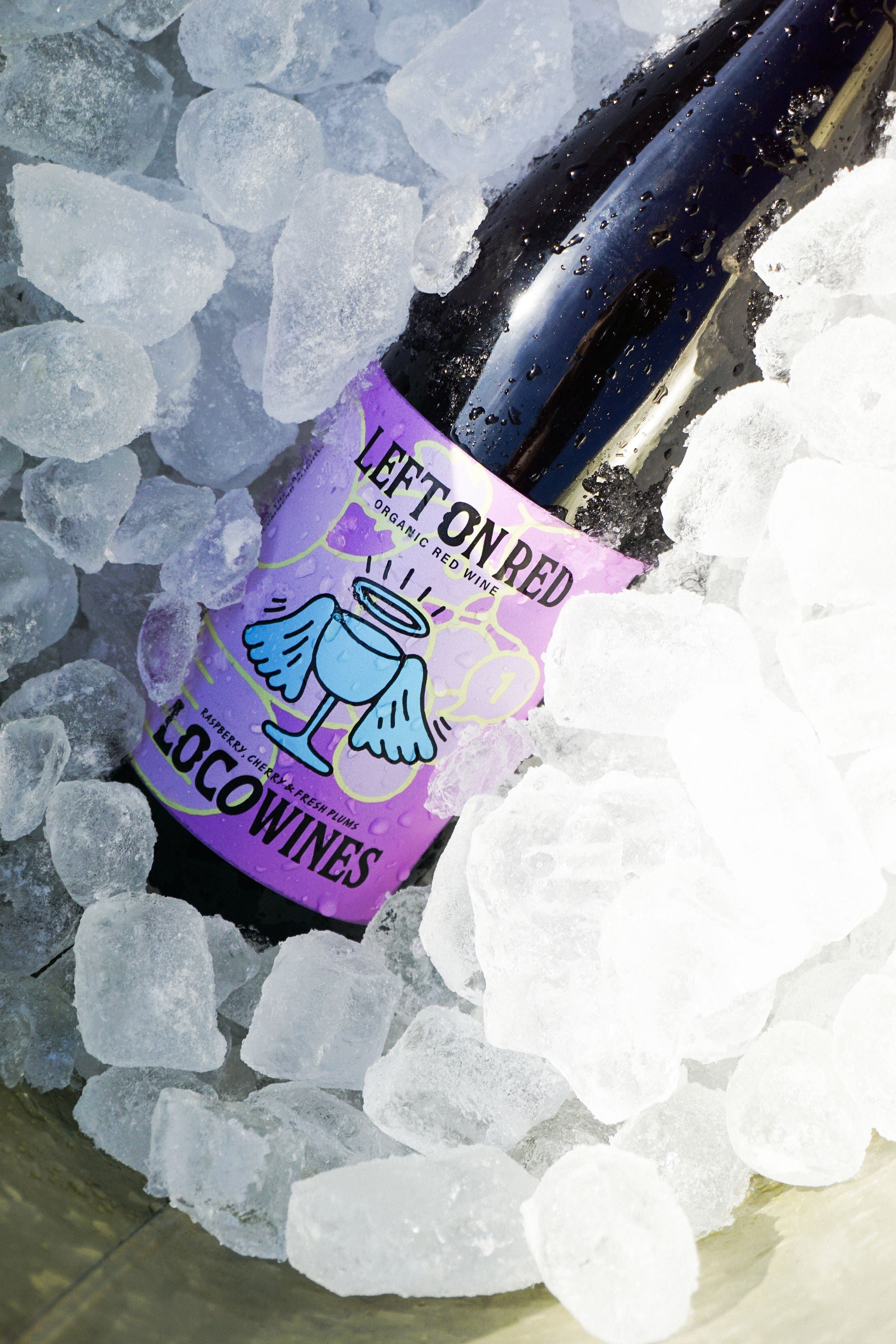
The four Loco Wines that come from the Hoch family — PROST!, Rizzling, The Groover, and Left on Red — all reflect this. They are expressive, mineral-driven, and genuinely interesting. Not because they have been manipulated to be complex, but because the farming creates natural complexity.
IS BIODYNAMIC WINE WORTH THE EXTRA COST?
Biodynamic farming is more labour-intensive and more expensive than conventional farming. But at Loco Wines we do not pass that cost on in the way you might expect — our biodynamic wines start at £14.50 a bottle.
The real question is whether biodynamic farming makes better wine. Based on what we taste in the Hoch family's wines — and based on the evidence of nearly 400 years — we think the answer is yes.
Share:
BEST ORGANIC WINES FOR UK FESTIVALS
IS ORGANIC WINE BETTER FOR YOU?