

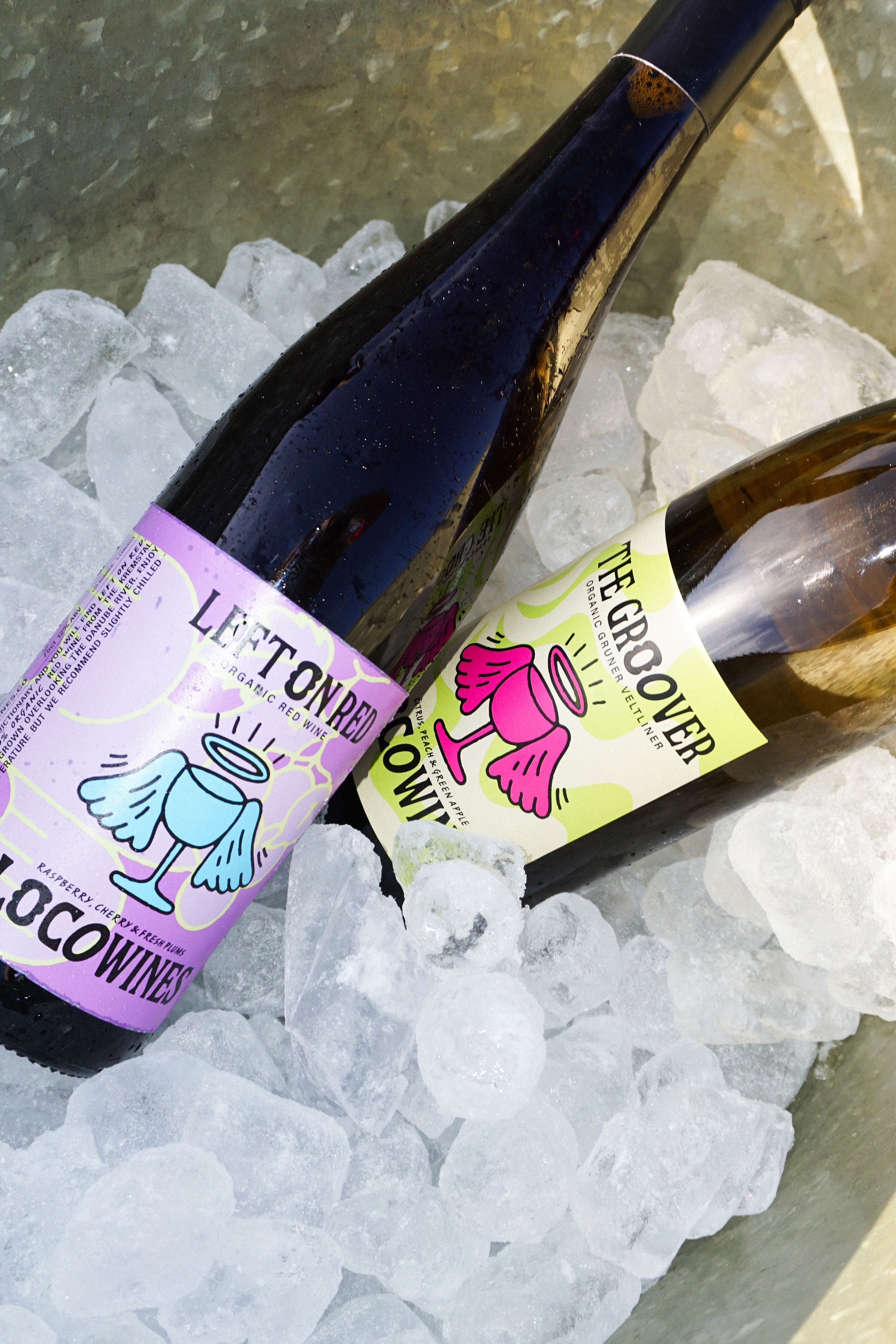
Low intervention wine. Minimal intervention wine. Natural wine. These terms are often used interchangeably — but they have different meanings. Here is a clear breakdown.
WHAT DOES LOW INTERVENTION MEAN?
Low intervention refers to a winemaking philosophy that minimises the use of additives and technological manipulation in the cellar. The idea is to let the grapes and the fermentation process do the work, rather than correcting, enhancing, or stabilising the wine with additives.
Common winemaking interventions that low intervention producers avoid or minimise include: commercial yeast addition (using wild or ambient yeast instead), fining and filtering, tartaric acid addition, and high sulphite additions.
HOW DOES IT DIFFER FROM ORGANIC WINE?
Organic wine certification covers how grapes are grown. Low intervention describes how wine is made. The two are related but distinct — you can have organic grapes made into conventionally produced wine, and you can have non-organic grapes made with low intervention techniques.
The best combination is both — organically or biodynamically farmed grapes made with minimal intervention winemaking. This is what Loco Wines works with across its producer network.
WHAT DOES LOW INTERVENTION WINE TASTE LIKE?
Low intervention wines tend to taste more expressive of their origin — the grape variety, the region, and the vintage. Because less has been added or removed, more of the natural character of the fruit comes through. They can be more variable between vintages, which some people see as a feature rather than a bug.
LOW INTERVENTION AT LOCO WINES
Every Loco Wines producer takes a low intervention approach in the cellar — wild yeast fermentation, minimal additions, and a hands-off philosophy that lets the fruit speak. Certified organic, vegan friendly, and genuinely made with integrity. Shop at locowines.co.uk.
Share:
DOES ORGANIC WINE GIVE YOU FEWER HANGOVERS?
WHAT IS WILD YEAST FERMENTATION IN WINE?